Change detection
Change detection is a critical aspect of mining operations, allowing mining operators, geotechnicians, and geologists to monitor and assess alterations in the mining environment. The following dives into the essential areas where change detection must be a focal point, the role of drones in capturing relevant data, the standards applied to change detection in mining operations, and the importance of correlating change detection data with other relevant parameters.
In the dynamic world of mining, change is constant. Monitoring and understanding these changes are crucial for the safety, efficiency, and sustainability of mining operations. Change detection involves the systematic assessment of alterations in the mining environment, providing valuable insights into evolving conditions. This essay explores the key areas where change detection is essential, the use of drones for data collection, applicable standards, and data correlation in mining operations.
Critical Areas for Change Detection
Highwall Stability:
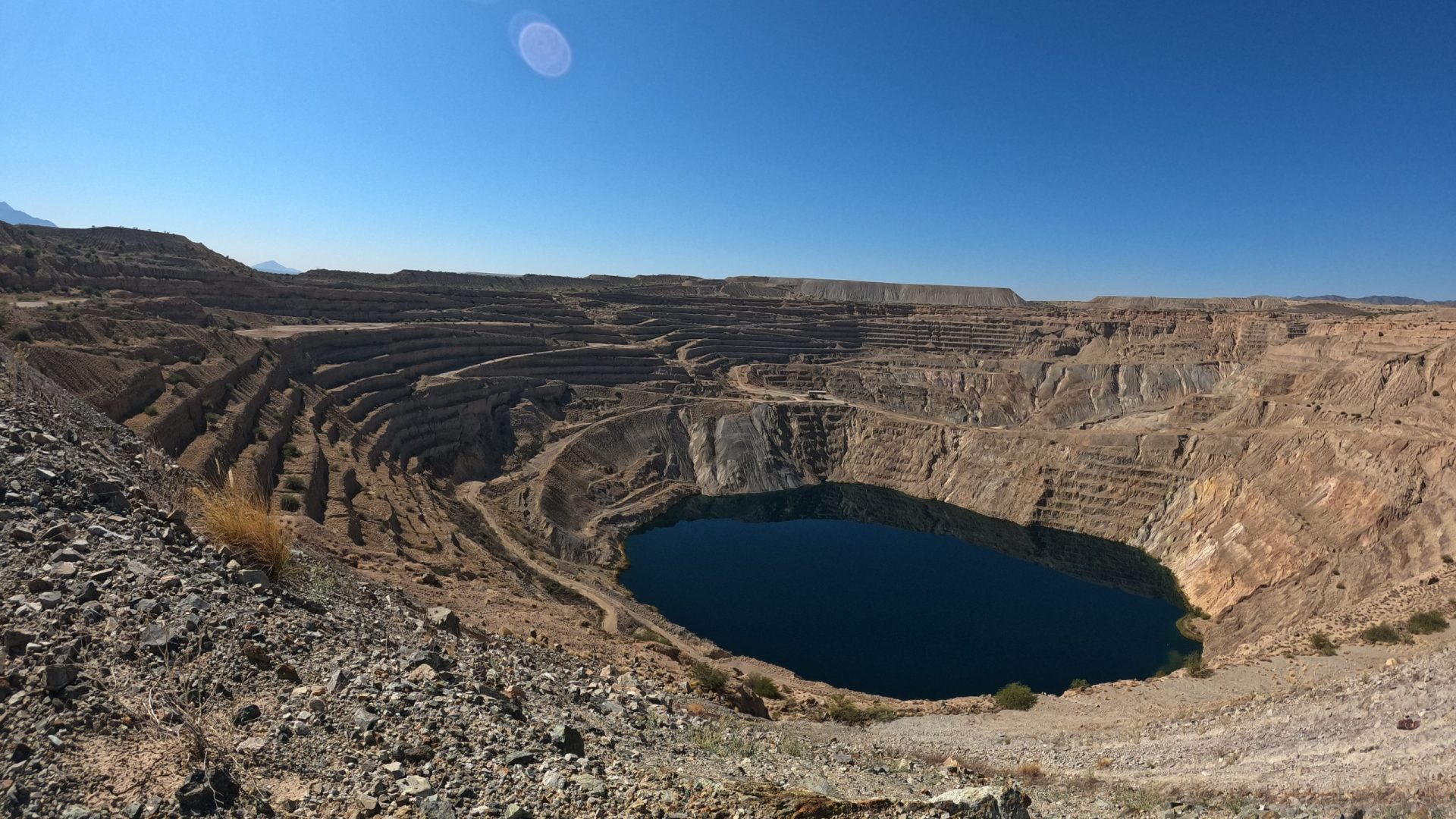
Detecting highwall deformations, shifts, or instabilities is paramount for ensuring the safety of personnel and equipment in open-pit mines.
Tailings Dam Monitoring:
Change detection aids in identifying structural deformations, seepage, or surface alterations in tailings dams, contributing to disaster prevention.
Environmental Impact Assessment:
Monitoring changes in land use, vegetation health, and nearby water bodies helps evaluate the environmental impact of mining operations.
Infrastructure Integrity:
Change detection is essential for assessing the structural integrity of roads, buildings, and mining equipment, reducing the risk of accidents and downtime.
Drones in Change Detection
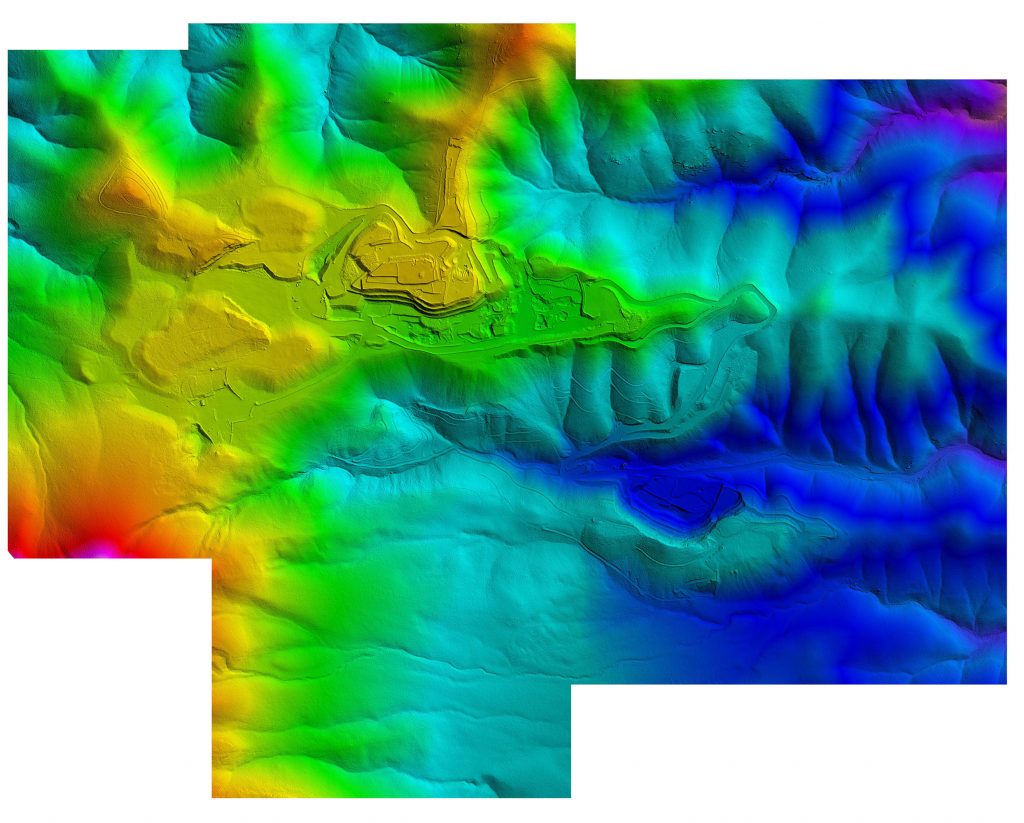
Drones, or Unmanned Aerial Vehicles (UAVs), have become indispensable tools for capturing data in change detection processes. Their flexibility, cost-effectiveness, and ability to access remote or hazardous areas make them ideal for mining operations. Drones are equipped with various sensors, including LiDAR, multispectral cameras, and thermal imaging devices, enabling them to collect high-resolution data.
LiDAR Scanning:
LiDAR-equipped drones create detailed 3D models of mining structures and terrain, facilitating precise change detection, especially in highwall stability analysis.
Multispectral Imaging:
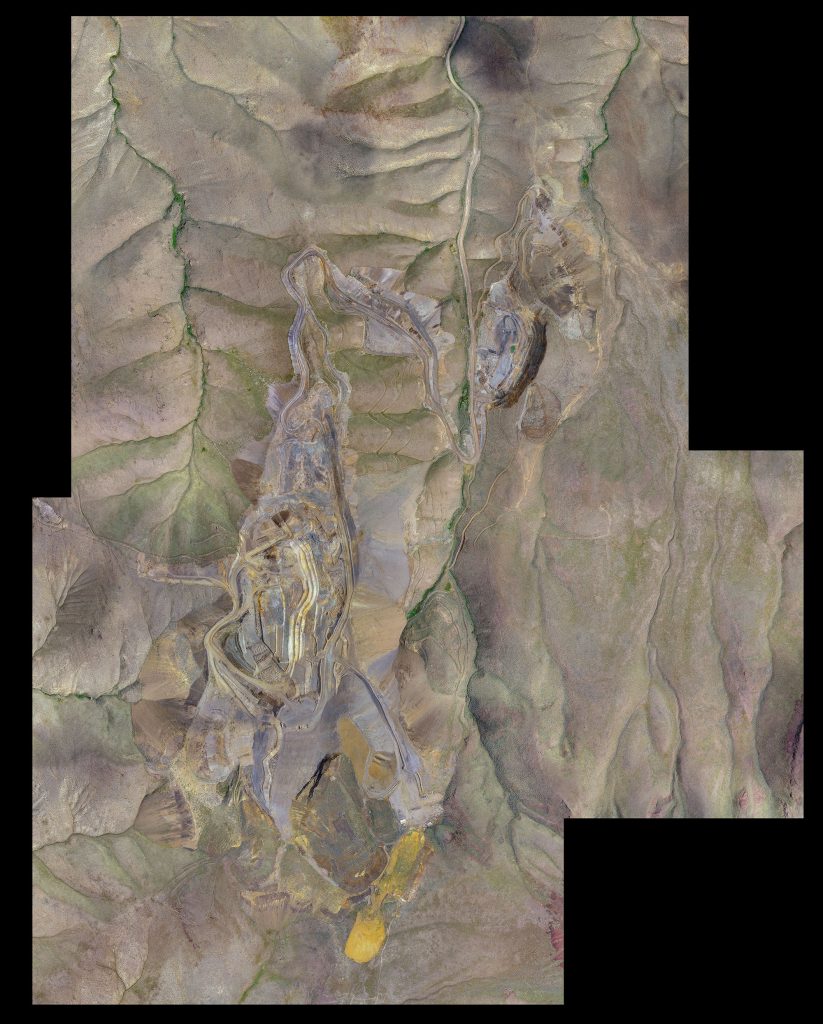
Multispectral data from drones helps monitor vegetation health, assess land use changes, and detect environmental impacts.
Thermal Imaging:
Thermal imagery can identify temperature anomalies, revealing underground fires, overheating equipment, or potential highwall instability.
Standards for Change Detection
In mining operations, standards for change detection encompass several aspects:
Safety Regulations:
Compliance with safety regulations, including the monitoring and management of highwalls, tailings dams, and infrastructure, is a primary standard in mining.
Data Quality and Accuracy:
Standards should ensure that collected data, including LiDAR and multispectral images, meet specific quality and accuracy criteria for reliable change detection.
Monitoring Frequency:
Regular monitoring schedules must be established for critical areas, aligning with the dynamic nature of mining operations.
Emergency Response Plans:
Contingency plans, including protocols for addressing identified changes, are essential to maintain safety and minimize disruptions.
Data Correlation:
Standards should encourage the integration of change detection data with other relevant data types, such as geotechnical, environmental, and structural data.
Correlation with Other Data Points
To gain a comprehensive understanding of changes in mining operations, it is essential to correlate change detection data with other relevant parameters:
Geotechnical Data:
Highwall deformation data should be correlated with geotechnical assessments to assess potential stability issues.
Environmental Data:
Change detection information on land use and vegetation health should be aligned with environmental impact assessments to understand the consequences of mining activities.
Structural Data:
Assessing the structural integrity of infrastructure in conjunction with change detection helps prevent accidents and equipment failures.
In conclusion, change detection is a pivotal aspect of mining operations, contributing to safety, efficiency, and sustainability. By focusing on highwall stability, tailings dam monitoring, environmental impact assessment, and infrastructure integrity, mining professionals can ensure that the dynamic nature of mining is met with vigilance and proactivity. Drones equipped with various sensors facilitate data collection, while adherence to standards and data correlation with other parameters enhance the effectiveness of change detection in the mining industry.