Safety Monitoring
In the world of mining operations, safety remains a paramount concern. The integration of advanced technologies is playing a crucial role in improving safety measures, and one such innovation is the use of drones and aerial data. The following explores the applications, benefits, and real-world examples of leveraging drone technology for safety monitoring in mines, catering to the technical audience of mining engineers, geologists, and safety engineers.
Site Surveillance and Inspection:
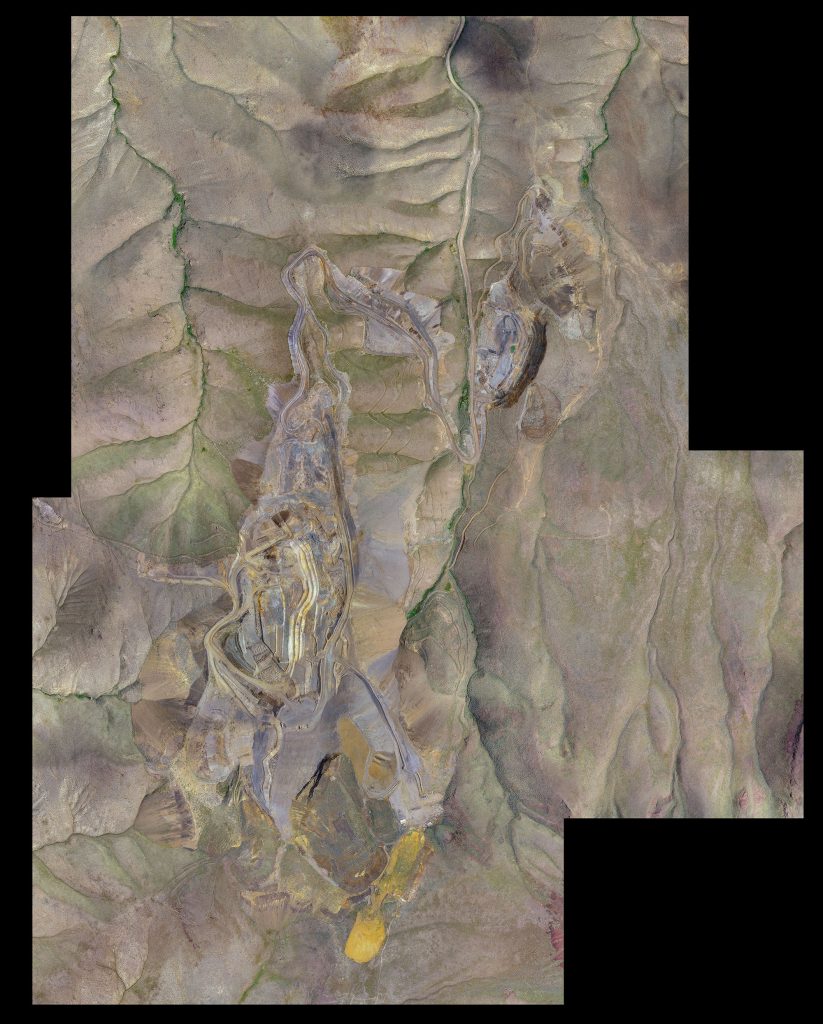
Drones equipped with high-resolution cameras and sensors are invaluable tools for conducting regular site surveillance and inspections. These unmanned aerial vehicles (UAVs) can access remote and hazardous areas without exposing personnel to potential risks. Safety engineers can use the aerial footage to identify safety hazards, monitor equipment conditions, and assess the overall integrity of mine structures.
Use Case: In a large open-pit mine, safety engineers deploy drones to inspect highwalls and assess the stability of excavation areas. The drone captures high-resolution images, which are then analyzed to detect potential rockfalls or unstable geological formations.
Emergency Response Planning:
Drones contribute significantly to emergency response planning by providing real-time situational awareness. In the event of an incident, such as a fire or a collapse, drones equipped with thermal imaging cameras can swiftly assess the situation and aid in planning rescue operations. This technology helps safety engineers make informed decisions about the deployment of resources and ensures a rapid response to emergencies.
Use Case: A mine experiences a fire in an underground tunnel. Drones equipped with thermal cameras are deployed to assess the extent of the fire and identify areas of high temperature. Safety engineers use this data to plan rescue routes, locate trapped miners, and coordinate firefighting efforts.
Air Quality Monitoring:
Mines often encounter challenges related to air quality, with the presence of gases and particulate matter posing risks to workers. Drones equipped with air quality sensors can collect data on gas concentrations and airborne pollutants. Safety engineers use this information to assess the effectiveness of ventilation systems and implement measures to mitigate health risks.
Use Case: In an underground mine, drones equipped with gas sensors monitor the concentration of harmful gases in different sections. Safety engineers receive real-time data, enabling them to identify areas with poor air quality and take immediate corrective actions, such as adjusting ventilation systems.
Topographical Mapping and Geological Analysis:
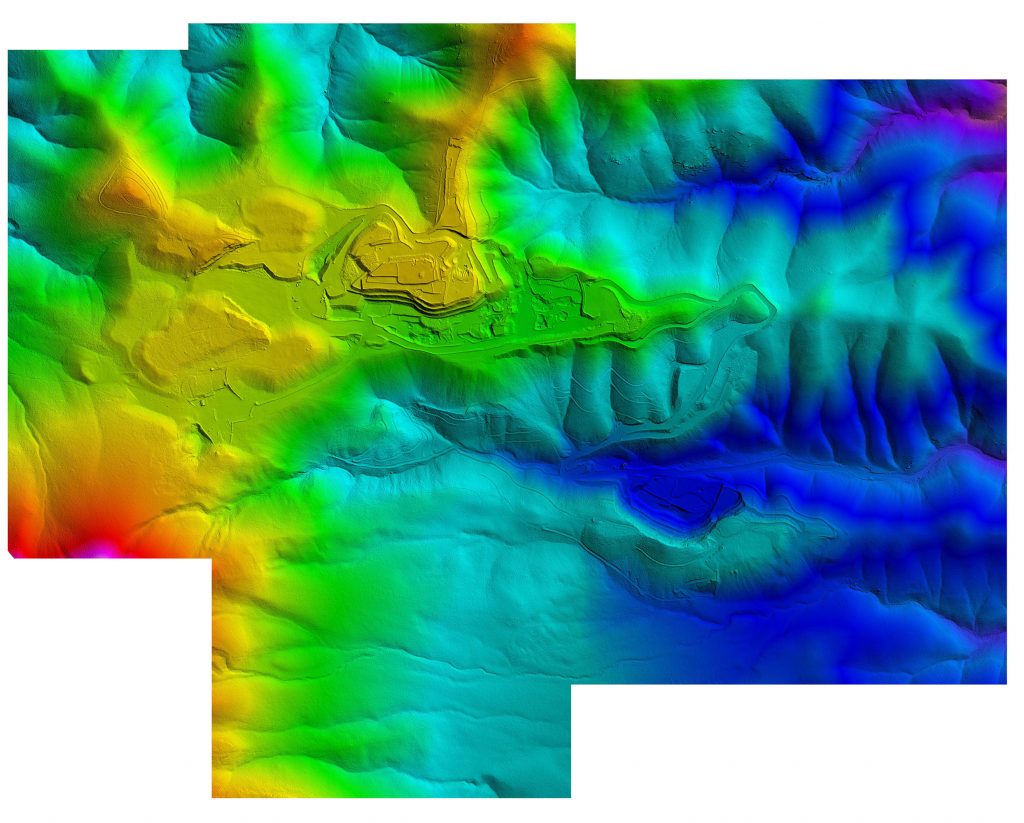
Drones equipped with LiDAR (Light Detection and Ranging) technology are instrumental in creating accurate topographical maps of mining sites. This data aids geologists and safety engineers in analyzing geological formations, identifying potential ground subsidence, and planning safe excavation practices.
Use Case: Before initiating a new mining project, drones with LiDAR capabilities are deployed to survey the terrain. The resulting topographical map assists geologists in understanding the geological features, enabling safety engineers to develop mining plans that minimize risks associated with ground instability.
Regulatory Compliance and Reporting:
Safety engineers working in mines are often required to produce detailed reports for regulatory compliance. Drones simplify this process by automating data collection and providing accurate and up-to-date information. This not only ensures adherence to safety regulations but also facilitates proactive measures to address potential issues.
Use Case: As part of routine safety audits, drones capture comprehensive aerial views of the mine site. Safety engineers use this data to generate compliance reports, detailing adherence to safety standards, identifying areas of improvement, and demonstrating a commitment to regulatory requirements.
The integration of drone technology and aerial data in the mining industry represents a significant advancement in safety monitoring. From site surveillance and emergency response planning to air quality monitoring and geological analysis, drones offer a multifaceted approach to risk mitigation. Safety engineers, geologists, and mining professionals can leverage these technologies to create safer working environments, adhere to regulatory standards, and respond effectively to unforeseen challenges. As the mining industry continues to evolve, the integration of drones is poised to become an indispensable tool in the pursuit of enhanced safety and operational excellence.