Tailings Dam Monitoring
Tailing dams are crucial components of mining operations, designed to store and manage waste materials generated during the mining process. However, the potential for catastrophic failure poses significant risks to the environment and human life. This technical essay explores the comprehensive monitoring methods employed by mining companies to safeguard tailing dams. It discusses the data needed, its correlation, and presents examples of tailing dam disasters and strategies for their prevention.
Tailing dams are an essential part of mining operations, serving as repositories for waste materials produced during the extraction of valuable minerals. While they are essential to the mining industry, their structural integrity and stability are of paramount importance. The catastrophic failures of tailing dams, such as those at Mount Polley (2014) and Brumadinho (2019), have underscored the need for rigorous monitoring and risk mitigation.
Data Requirements for Tailing Dam Monitoring
Mining companies rely on a variety of data sources and parameters to monitor the health of tailing dams. These include:
Geotechnical Data:
- Groundwater levels and pore water pressure.
- Seismic activity.
- Soil and rock properties.
- Inclinometer and piezometer data for measuring dam deformations and water pressure.
Environmental Data:
- Weather conditions, including precipitation.
- Water quality and flow rates in nearby streams and rivers.
- Vegetation health and land use changes in the vicinity.
Remote Sensing and Imaging:
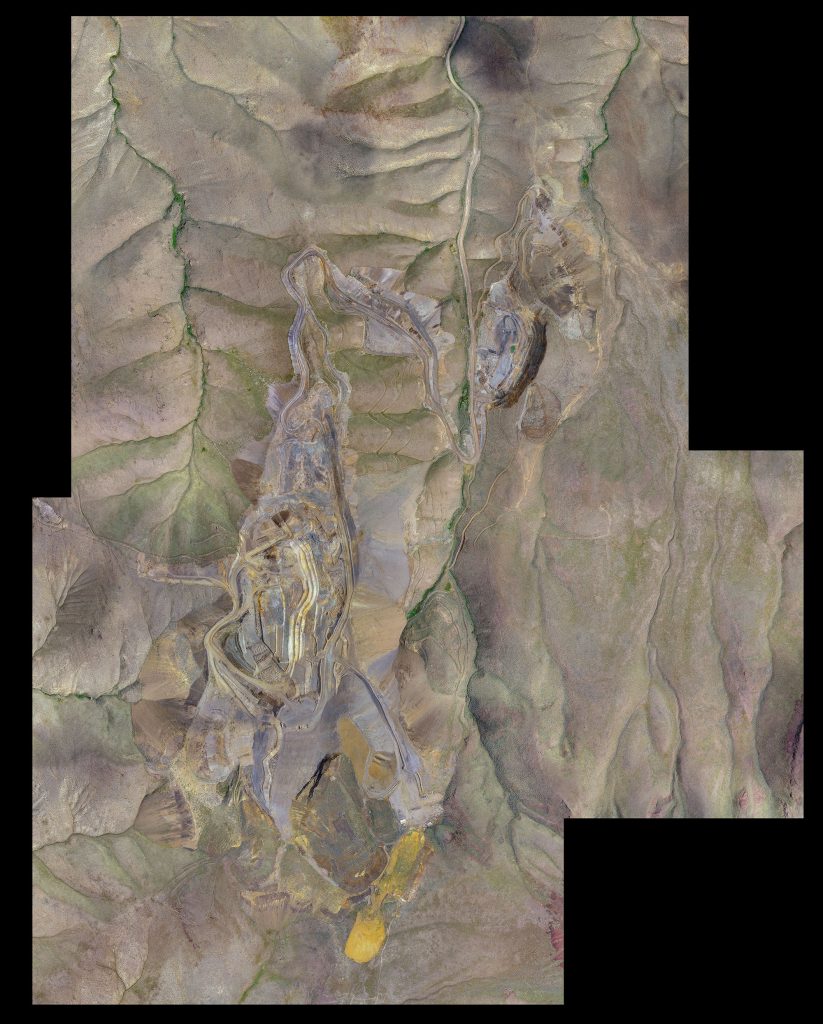
- Satellite imagery and aerial photography for assessing surface changes.
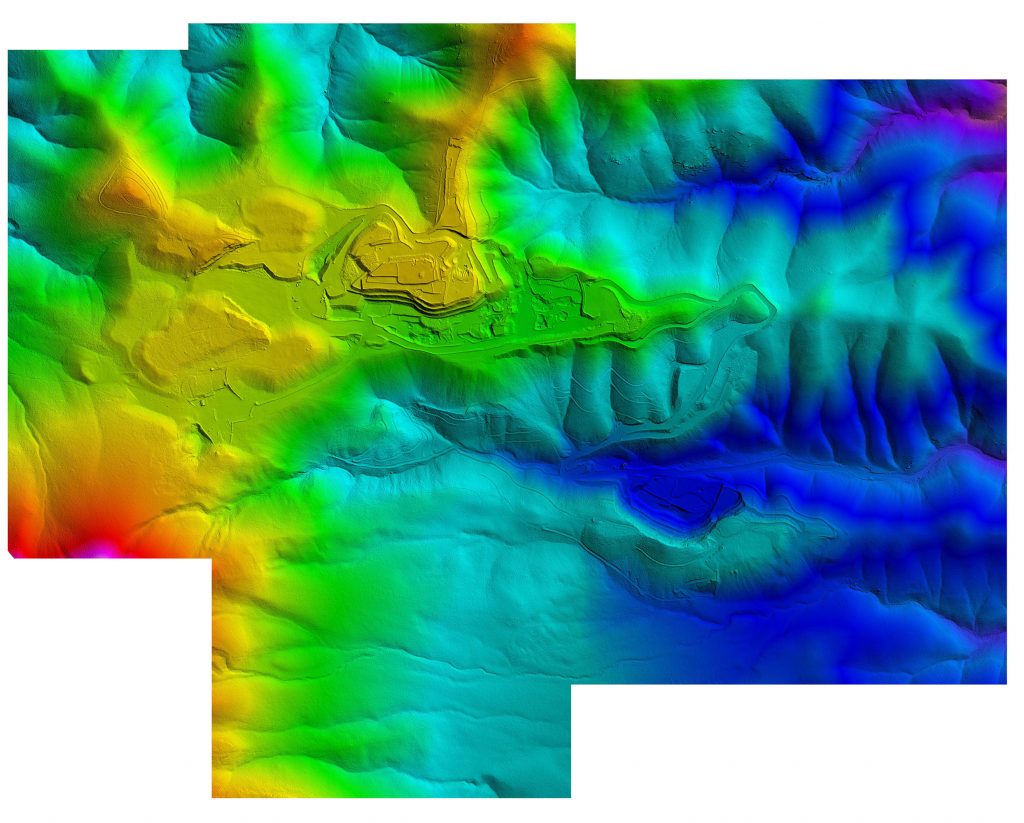
- LiDAR scans for high-resolution topography and dam deformation analysis.
Structural Data:
- Real-time instrumentation on the dam, including strain gauges and accelerometers.
- Visual inspections to identify cracks, seepage, or other anomalies.
Data Correlation and Integration
To ensure the early detection of potential issues, the collected data needs to be effectively correlated and integrated. Mining companies employ sophisticated software tools to analyze and visualize the data in real-time. This integration allows for the identification of anomalies and trends that may indicate dam instability. For instance, combining groundwater pressure data with real-time deformation measurements can offer critical insights into the dam’s stress distribution.
Examples of Tailing Dam Disasters
Mount Polley (2014):
- The breach of the Mount Polley tailings dam in British Columbia, Canada, led to a massive release of waste materials into nearby water bodies.
- The disaster was attributed to the weakening of the dam’s foundation due tothe presence of glacial till beneath the embankment.
Brumadinho (2019):
- The collapse of a tailings dam at the Córrego do Feijão iron ore mine in Brazil resulted in the loss of over 270 lives and significant environmental damage.
- The dam’s failure was linked to liquefaction of its tailings material.
- Preventing Tailing Dam Failures
Tailing dam disasters are not inevitable, and several measures can be taken to minimize the risks:
Robust Design:
- Proper geotechnical investigations and engineering are essential for designing tailings dams that can withstand various pressures and environmental conditions.
Regular Monitoring:
- Continuous monitoring of geotechnical, environmental, and structural data is crucial to detect early warning signs of dam instability.
Emergency Response Plans:
- Mining companies should have well-defined emergency response plans and communication protocols to mitigate the consequences of a potential failure.
Improved Tailings Management:
The industry should explore innovative tailings management practices, such as dry stacking or filtered tailings, to reduce the risk associated with conventional wet tailings storage.
Tailing dams play a vital role in mining operations, but their structural integrity and safety are of paramount importance. Remote sensing, combined with aerial imagery, including LiDAR and multispectral data, offers a powerful toolset for monitoring these critical structures. This essay explores the application of remote sensing technologies, the specific data types used, and their benefits in improving the safety and sustainability of mining tailing dams.
Mining tailing dams are complex structures designed to store and manage waste materials generated during mineral extraction. Their stability is crucial for environmental and human safety. The integration of remote sensing technologies, including aerial imagery with LiDAR and multispectral data, has revolutionized the monitoring of these dams, enabling more precise assessments of their conditions.
Data Types and Their Significance
LiDAR (Light Detection and Ranging): LiDAR technology utilizes laser pulses to measure the distance between the sensor and the ground surface, allowing for the creation of high-resolution, 3D topographical models of the dam and its surroundings. LiDAR data is invaluable for:
Topographic Mapping: Precise elevation data aids in identifying subtle changes in the dam’s surface, which can indicate deformations or subsidence.
Deformation Analysis: LiDAR scans can reveal changes in the dam’s shape, enabling early detection of structural issues.
Volume Calculations: The technology is used to estimate the volume of tailings and water within the dam, vital for capacity planning and stability assessments.
Multispectral Imagery: Multispectral imagery captures data across various wavelengths of light, allowing for the creation of detailed color images. Specific data types include:
Vegetation Health Monitoring: Multispectral data can be used to assess the health of vegetation surrounding the tailing dam, helping to identify potential erosion or contamination issues.
Water Quality Assessment: By analyzing the spectral characteristics of water bodies in the vicinity, mining operators can detect changes in water quality caused by dam seepage or breaches.
Environmental Impact Analysis: The multispectral data can be used to monitor land use changes, potentially revealing illegal activities or encroachments near the dam.
Thermal Infrared Imagery: Thermal infrared data capture temperature variations across the dam’s surface. This is crucial for:
Identification of Seepage: Thermal infrared imagery can detect areas where water is seeping from the dam’s surface, indicating potential leaks or structural weaknesses.
Monitoring Stress Patterns: Temperature variations can provide insights into stress patterns within the dam’s structure, which can help identify potential trouble spots.
Benefits of Remote Sensing in Tailing Dam Monitoring
Early Detection of Anomalies:
Remote sensing technologies enable mining operators to detect even minor anomalies in dam structure, surface deformation, or water seepage, allowing for proactive interventions.
Improved Safety:
Early detection and monitoring of potential issues contribute to enhanced safety for both the environment and nearby communities.
Efficient Data Collection:
Remote sensing technologies provide a cost-effective and efficient means of collecting critical data, reducing the need for on-site personnel and the associated safety risks.
Sustainable Operations:
By proactively addressing dam issues, mining companies can maintain sustainable and responsible mining practices while minimizing environmental impacts.
The monitoring and mitigation of tailing dams are paramount to the responsible operation of mining companies. By gathering a diverse array of data and effectively correlating it, mining operators, geologists, and geotechnicians can identify potential issues early, preventing catastrophic dam failures and their devastating consequences. Learning from past disasters and adhering to best practices in design and management is the key to a safer and more sustainable mining industry. The integration of remote sensing technologies, including LiDAR, multispectral imagery, and thermal infrared data, is a game-changer in the monitoring of mining tailing dams. These tools provide mining geologists, geotechnicians, and operators with an unprecedented level of detail and accuracy in assessing dam conditions. As a result, they can take timely actions to ensure the structural integrity and safety of these crucial mining assets while advancing sustainable and responsible mining practices. The adoption of these technologies represents a significant step toward a safer and more environmentally friendly mining industry.